Intelligence is often measured by the size and power of the brain. But nature tells a different story. From ants working together to birds solving complex problems, many creatures display remarkable abilities that challenge our understanding of intelligence. Their secrets may lie not only in individual minds but also in the power of cooperation.
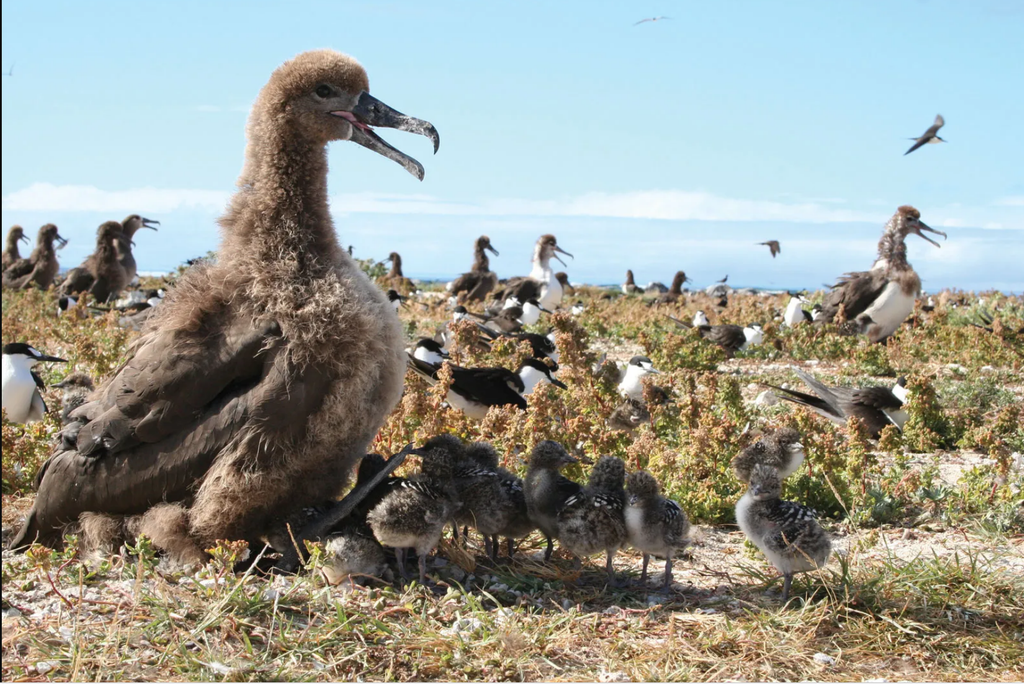
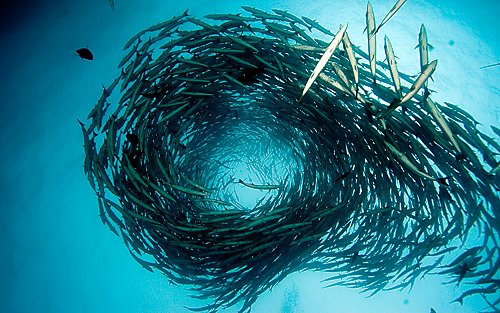
When we think of intelligence, we usually picture a single, large brain—a human brain, perhaps, or that of a dolphin. But what if intelligence isn’t just about size, but about numbers? A closer look at the natural world reveals a stunning form of genius that emerges when many small minds work together. This is the power of swarm intelligence.
Consider the humble ant. An individual ant has a tiny brain with about 250,000 neurons, a fraction of our 86 billion. Yet, an entire ant colony can achieve incredible feats. It can build complex nests with ventilation systems, organize massive foraging expeditions, and even “farm” other insects like aphids. The colony acts as a single “superorganism,” where the collective mind is far greater than the sum of its parts. As the ancient philosopher Aristotle said, “The whole is greater than the sum of its parts.” This isn’t just blind instinct; it’s a form of collective thought.
This intelligence isn’t limited to insects. Birds, with their small brains, display remarkable cognitive abilities. A raven’s brain weighs only 15 grams, yet it can use tools, solve complex problems, and even recognize itself in a mirror. The secret lies in the density of its neurons, which are packed twice as tightly as those in a mammal’s brain. This allows for ape-like intelligence in a much smaller package.
From termites that farm fungus to albatrosses that navigate vast oceans to feed their partners, nature is filled with examples of sophisticated behavior that challenges our human-centric view. The collective intelligence of a termite colony, for instance, allows it to adapt and respond to its environment in ways no single termite could. Some researchers even argue that these colonies possess something akin to a “soul”—an animating principle that makes life distinct from non-life.
These examples force us to question what intelligence truly is. Is it defined by the size of a brain, or by the complexity of behavior? The ability of a bird to create art by decorating its nest, or a flock of birds to perform a synchronized dance, shows a level of awareness and creativity that we often reserve for humans.
The rise of our own species, Homo sapiens, is often seen as the pinnacle of evolution. Our unique gift was mastering fire, which fueled technology and civilization. But as we face a mass extinction event of our own making, we must reconsider our supposed superiority. The swarm shows us that survival and success can come from cooperation, collective wisdom, and living in balance with the environment. Perhaps the greatest lesson from nature is that the smartest entity in the room isn’t always a single being, but the collective, interconnected whole.